Parenting Teenagers Without Losing your Mind
What you need to know:
Yelling or hitting might not help and could make things worse, like the teen running away or hurting themselves. Beating them could even lead to tragedy.
Bosco was a student in high school. He was super stubborn and famous around school, known by students, teachers, cooks, and even cleaners. He skipped morning study sessions, argued with teachers, snuck in electoral gadgets to school, and got into relationships. Bosco was the master of mischief. One evening, a security guard caught him swimming alone in the school pool while everyone else was in class. When asked why, Bosco cheekily said: "It was a hot evening and wanted to cool off." The school warned him often to calm down, and sometimes suspended him. Once, after a suspension, his mother came to pick him up and asked the head teacher to call an emergency assembly with all students. With a stern face, Bosco's mother stood on the assembly platform and shared how her son had made her life miserable.
"This boy gives me headaches, even at home," she said, as her son knelt in front of the watching students. "I try to guide him, but he never listens... he never listens." After her speech, she gave Bosco 20 lashes in front of the shocked students, then took him home for his suspension. Bosco's story isn't unique. Many parents share the challenges of raising teenagers. Famous singer Jennifer Lopez has talked openly about raising her 18-year-old twins, Emme and Max. Now as teens, they challenge her ideas and want more independence. If teens aren't questioning authority, they are driving parents nuts in other ways. Stories abound of teens dropping out of school, talking back, refusing chores, hanging out with bad crowds, and more.
So, how can parents handle rebellious teens? These teenagers aren't fully at fault. It's often their raging hormones during adolescence that cause the chaos.
Parents can take comfort in knowing that this is just a temporary stage. From ages 12 to 18, teens shift from childhood to adulthood, facing big changes in body and emotions. This ties into Erik Erikson's theory of psychosocial development. In the fifth stage, "Identity vs. Role Confusion" (ages 12-18), teens explore who they are and seek independence. This can lead to rebellion as they test limits, form their own identities, and pull away from parents. It's a normal part of growing up, helping them build a strong sense of self.
However, not all teens adapt well during this stage. Some may maladapt, leading to role confusion where they struggle to find a clear identity. This can show up as extreme behaviors, like adopting a negative self-image, becoming overly rebellious, or withdrawing completely. Maladaptation might happen under certain circumstances, such as intense peer pressure that pushes them toward risky groups, family conflicts like divorce or neglect that make them feel unstable, traumatic events like bullying or loss, or even mental health issues like anxiety or depression that go unaddressed. In these cases, teens might turn to harmful ways of coping, such as substance abuse, self-harm, delinquency, or isolating themselves, which can worsen the rebellion and create long-term problems.
Through open talks and counselling started by parents, these tricky but exciting teen years can be managed well. If a teen makes big mistakes or shows signs of maladaptation, stay calm. Don't rush to judge or punish. Think it through first. Yelling or hitting might not help and could make things worse, like the teen running away or hurting themselves. Beating them could even lead to tragedy. Remember, it's a passing phase, but if maladaptation sets in, seek professional help early.
Solutions include therapy, such as cognitive-behavioral therapy (CBT) to build better coping skills, family therapy to improve communication and resolve conflicts, or individual counseling to address identity struggles.
Other options are support groups for teens or school-based interventions. If the bond is really strained, consider rehabilitation for issues like addiction, or help from trusted family members to provide a fresh perspective. With patience, understanding, and the right support, most teens can navigate this stage successfully and emerge stronger.
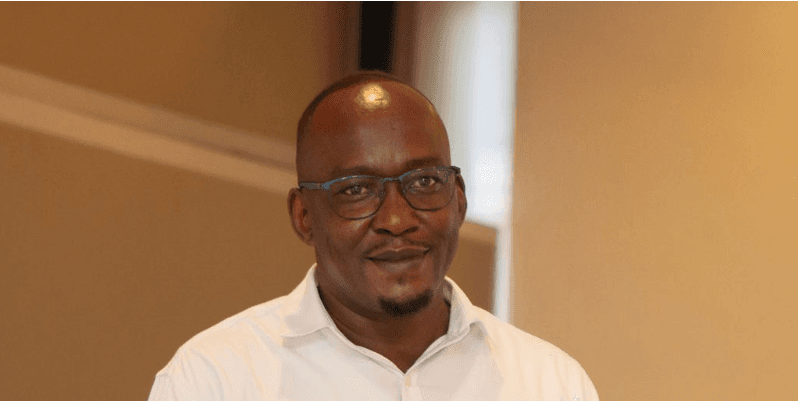
Mr Albert Elwa Louis, clinical psychologist, addiction professional.
Similar Blogs
News, Voices & Impact
Explore updates, field notes, and stories that showcase our mission and impact.